Skip to content

You Must Eat It

A research publication
A master's dissertation on how censorship shapes contemporary artistic practice. The publication puts academic research and editorial design in the same object: typography, hierarchy and images carry the argument rather than decorate it.
Type
Master's Dissertation
Institution
IADE – Universidade Europeia
Year
2025
Grade
18 / 20
Role
Research, Writing, Editorial Design
Tools
InDesign, Photoshop, Illustrator
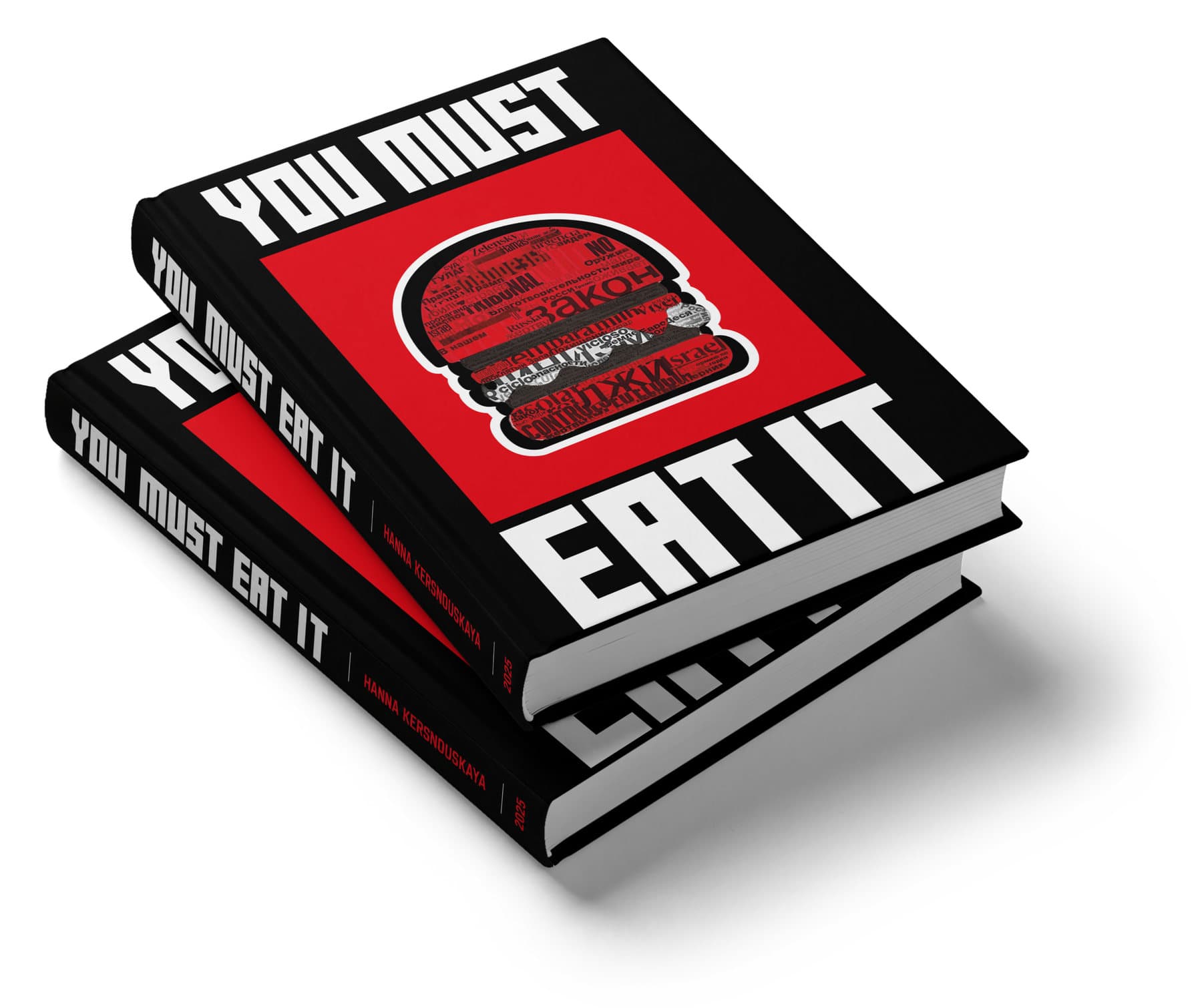
Two copies of the hardback stacked at an angle: black cloth boards with YOU MUST set in heavy white capitals above a red panel and EAT IT below it, cropped by the edges of the case. The panel holds a hamburger drawn entirely out of newspaper words in Russian, Portuguese and English. The spine repeats the title in white with the author's name and 2025 in red.

Editorial system

Type system

Akrobat — one family, hierarchy by weight and scale

Display

Akrobat Black

  • Chapter openers
  • Hero statements
  • Cover typography

Subhead

Akrobat Bold

  • Chapter titles
  • Artist names
  • Pull quotes

Body

Akrobat Regular

  • Essays
  • Case studies
  • Captions

Utility

Akrobat Bold

  • Running heads
  • Folios
  • Metadata, references

Format

  • 170 × 240 mm, portrait
  • Perfect bound
  • 220 pages
  • English

Grid

  • 12-column grid, 4 mm gutter
  • Baseline grid 12 pt
  • Type area 132 × 198 mm
  • Mirrored margins — inside larger for the binding
  • Display type breaks the grid

Colour

Black#111111
PaperMunken Polar
Signal red#CE1719

Grid structure
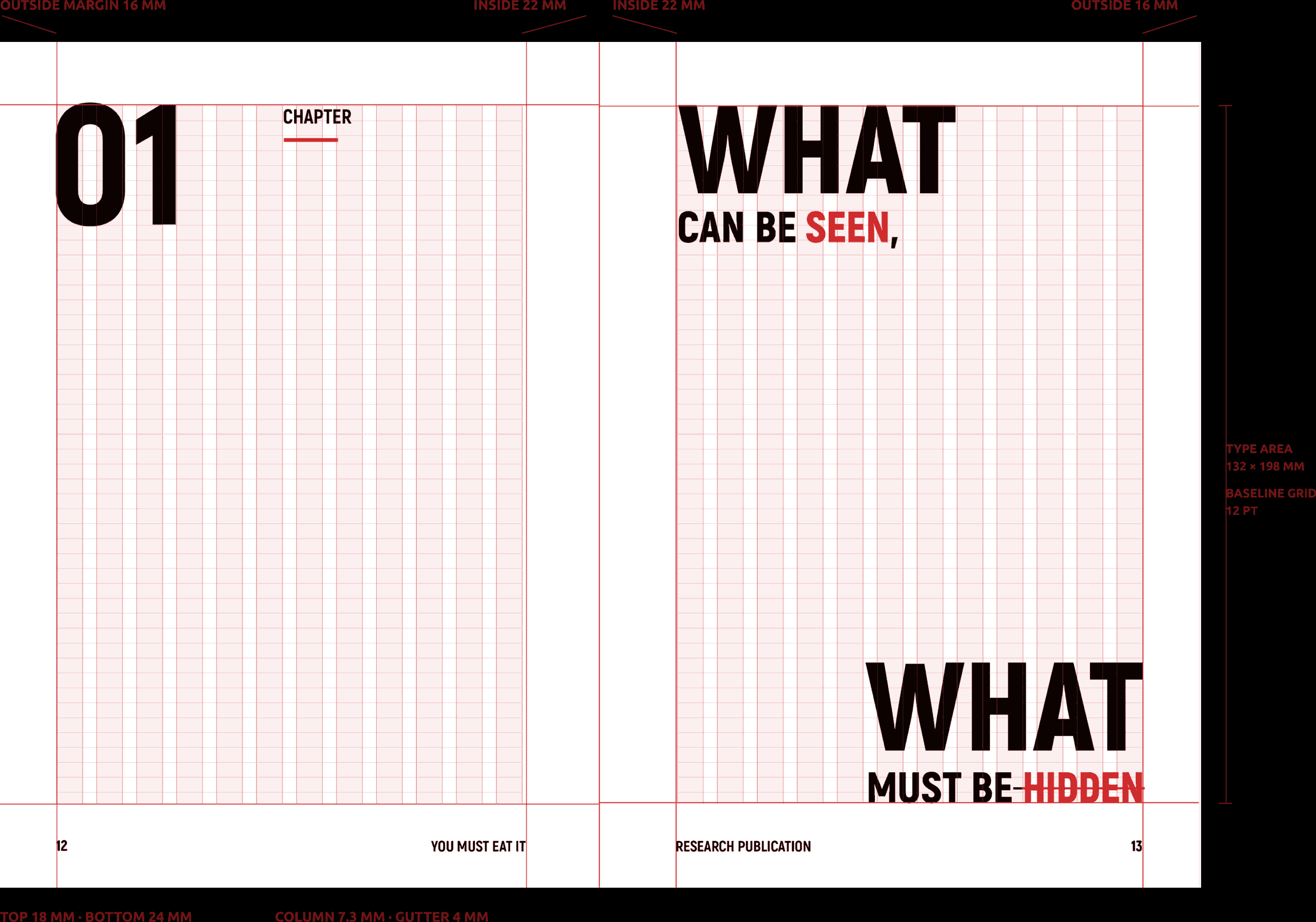
The chapter-opening spread, pages 12 and 13, with the twelve-column grid laid over both pages in red and every measurement labelled. Leader lines across the head give the margins — 16 mm outside on each page, 22 mm inside on either side of the gutter — and a note at the foot gives 18 mm at the head, 24 mm at the foot, columns of 7.3 mm with a 4 mm gutter. A bracket down the right edge marks the type area at 132 × 198 mm on a 12 pt baseline grid. Inside the grid the verso carries 01 set very large with the word CHAPTER and a short red rule beside it; the recto carries WHAT above CAN BE SEEN, with SEEN in red, and at the foot WHAT above MUST BE HIDDEN with HIDDEN struck through in red. The running feet read 12, YOU MUST EAT IT, RESEARCH PUBLICATION, 13.

Page anatomy

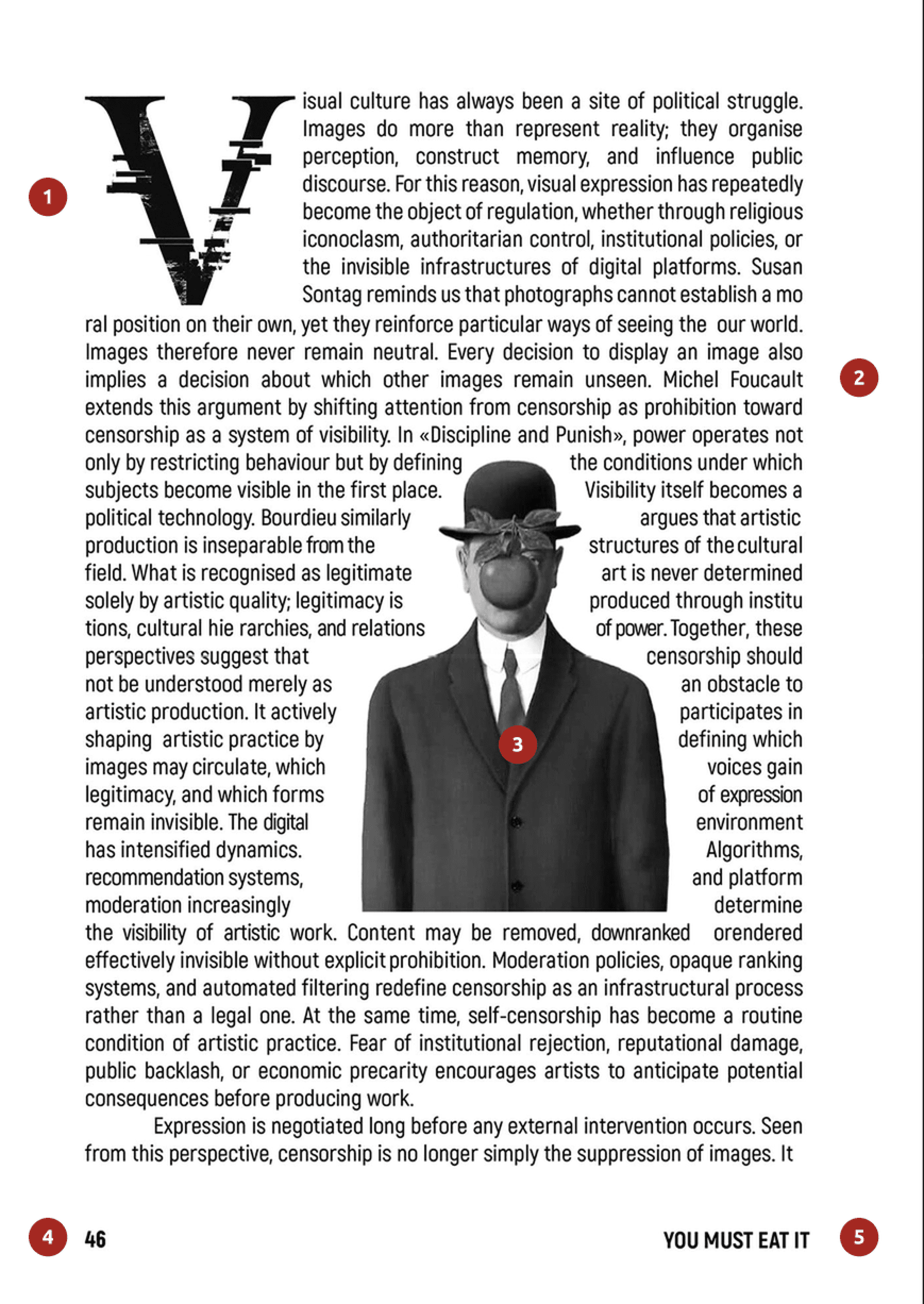
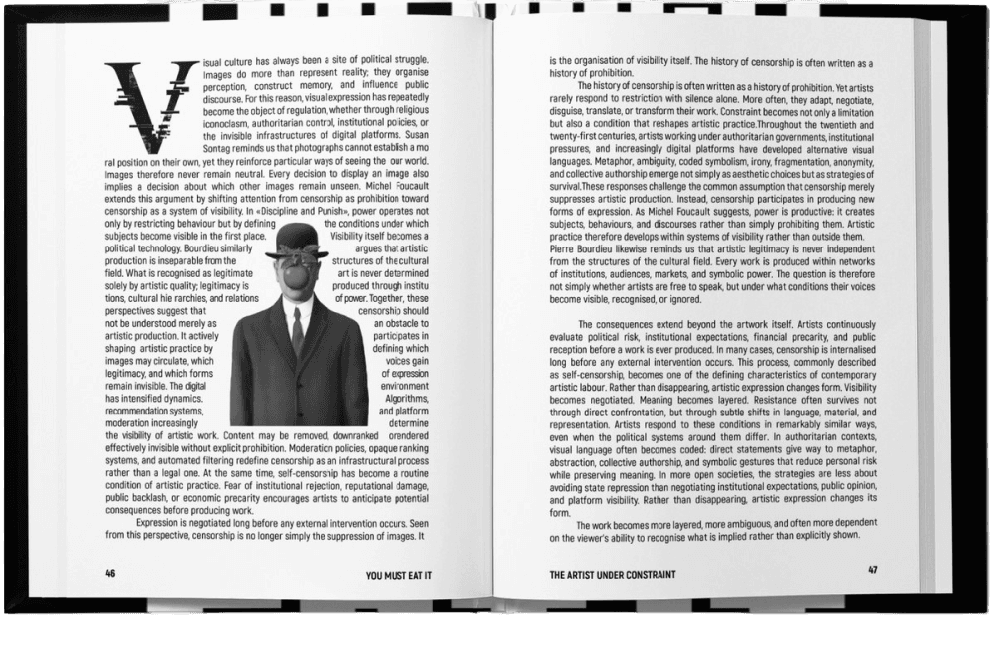
A single essay page, page 46. The text opens on an enormous drop-cap V, solid at the stem and broken into printed grain and stray bars through the middle, with the first paragraph running justified around it. Halfway down, a black-and-white cutout of Magritte’s bowler-hatted man in a suit, an apple where his face should be, stands inside the text block and the lines re-flow on both sides of him before closing back to full measure beneath. The running foot reads 46 at the outer edge and YOU MUST EAT IT at the inner.
Essay page
  • Drop capOpens the chapter text
  • Body textJustified, at full measure
  • Integrated imageText runs around it
  • FolioOutside, at the bottom
  • Running footBook title on the verso
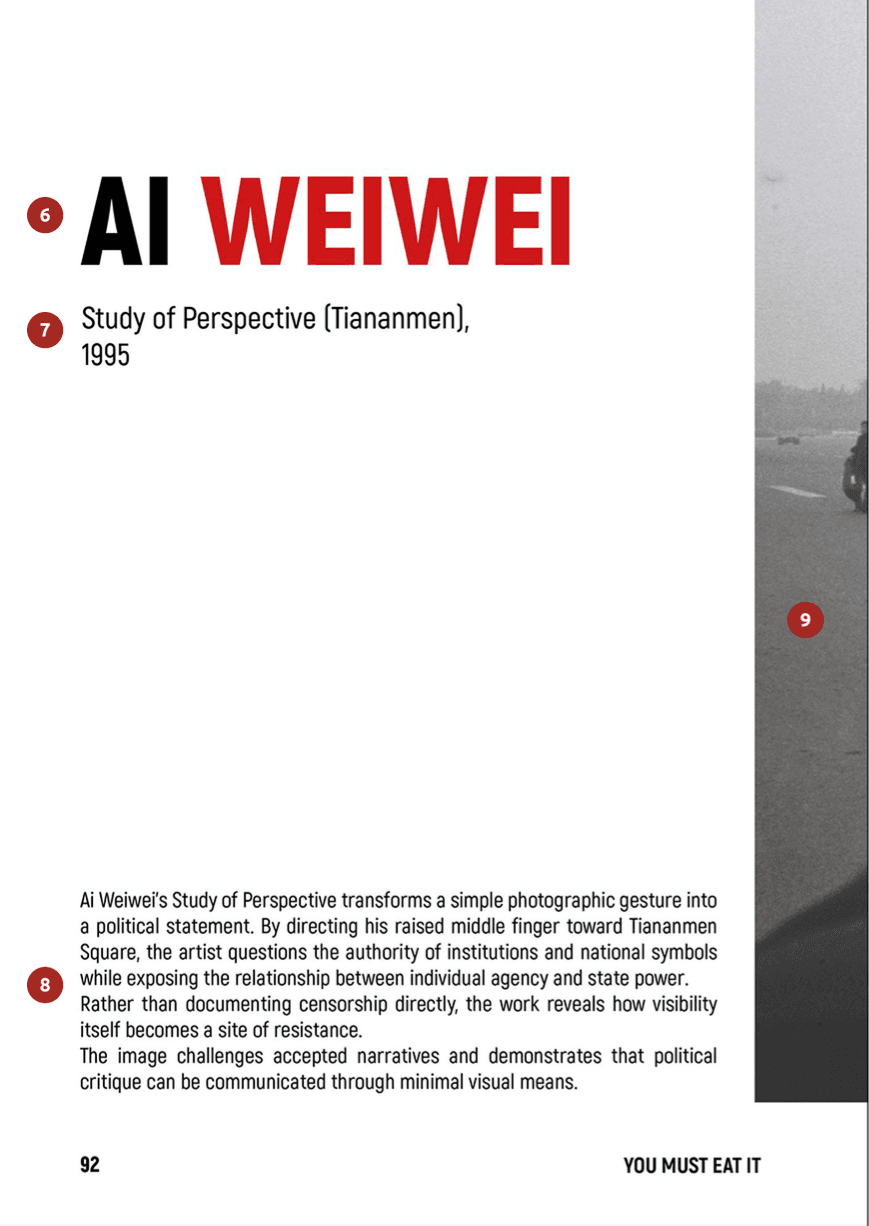
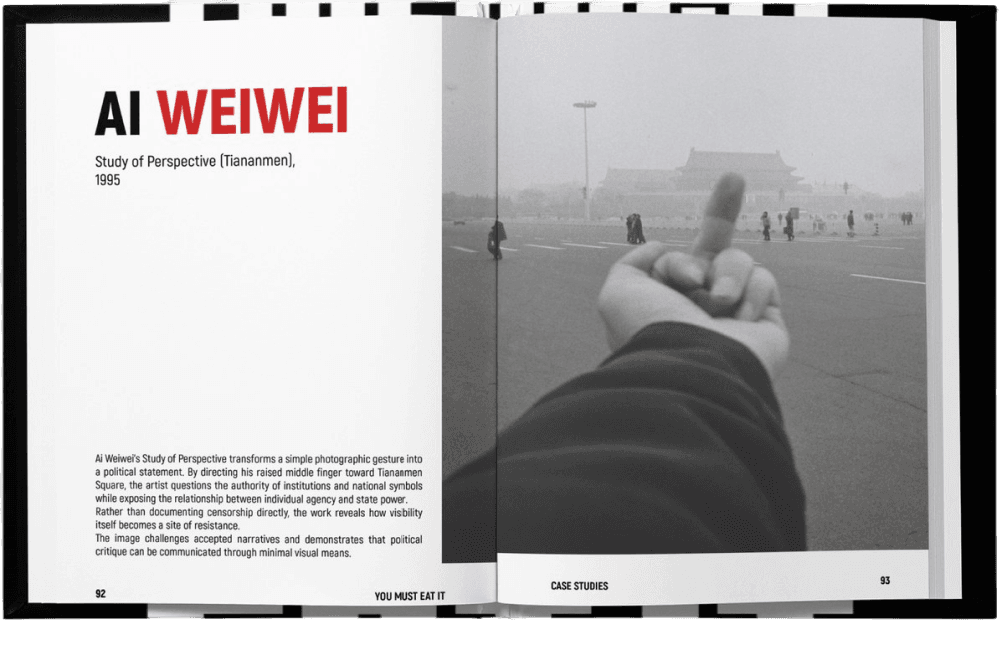
A single case-study page, page 92. AI is set very large in black with WEIWEI beside it in signal red, and beneath them the work title Study of Perspective (Tiananmen) with 1995 on its own line. The centre of the page is left empty. Four short paragraphs of analysis sit at the foot, and a black-and-white photograph of an open square under a flat grey sky runs down the outer edge and bleeds off it. The running foot reads 92 and YOU MUST EAT IT.
Case study page
  • Artist nameBlack, with the surname in signal red
  • Work title, yearA sub-line under the name
  • Analysis blockSits at the foot of the page
  • Image columnBleeds off the outer edge

Hierarchy

One family, three weights, and the whole range of the book from the cover down to the folio.

RegisterFaceSets
DisplayAkrobat BlackCover typography
Chapter / partAkrobat BlackPart dividers and chapter openers
Hero statementAkrobat BlackCrosses the gutter, one to a spread
Body textAkrobat RegularEssays and case studies, justified at full measure
Pull quoteAkrobat BoldIndented, against a red vertical rule
CaptionAkrobat RegularPlate descriptions and image credits
Running informationAkrobat BoldVerso title, recto section
FolioAkrobat BoldAlways at the outer corner

Artist

Ai Weiwei

Work

Study of Perspective

Year

1995

Location

Tiananmen Square

Visual language

  1. Oversized typography

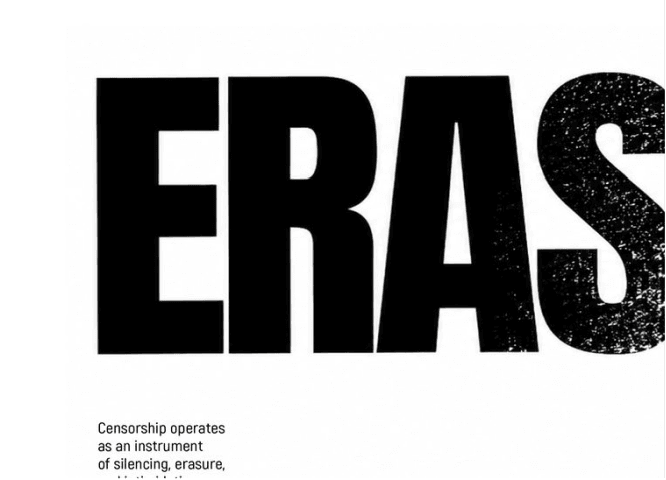
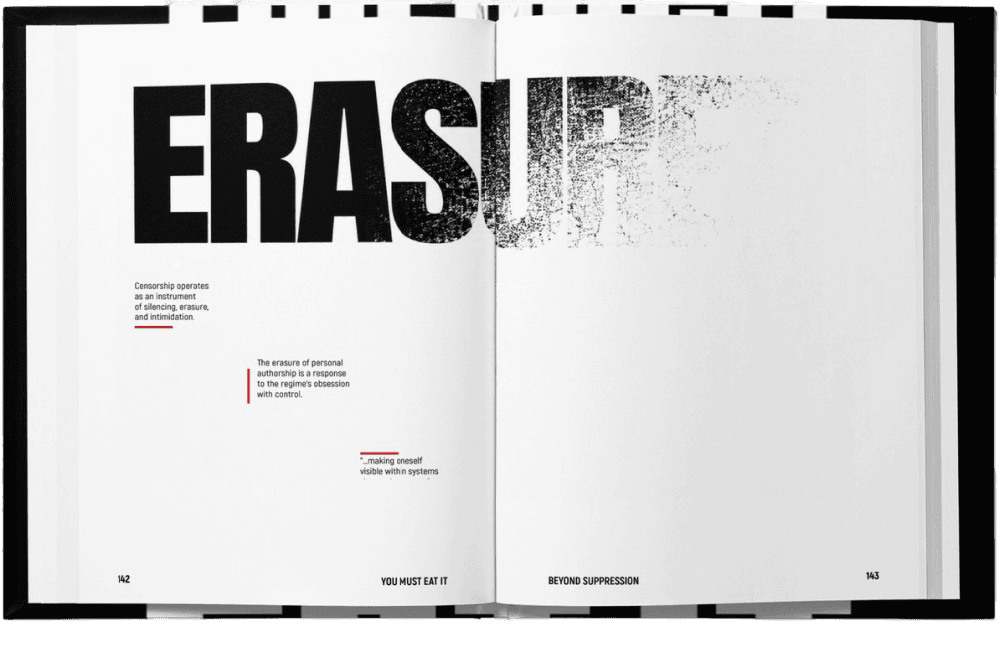
    A word set at the scale of an image: ERAS, the opening of ERASURE, in enormous black capitals filling the page edge to edge, the S already breaking into printed grain at its outer edge. Four short lines of body text sit small beneath it — “Censorship operates as an instrument of silencing, erasure”.
  2. Progressive disappearance

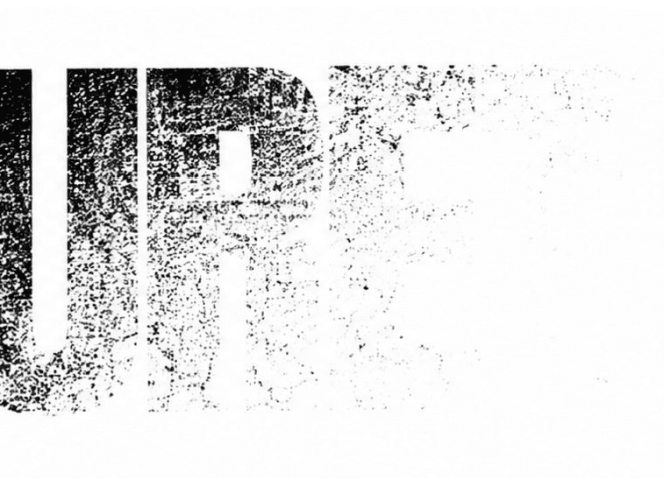
    The same word further along: URE, solid black at the U, eroding through the R into speckle and stray flecks, and gone to bare paper before the E has finished. Nothing else is on the sheet.
  3. Editorial whitespace

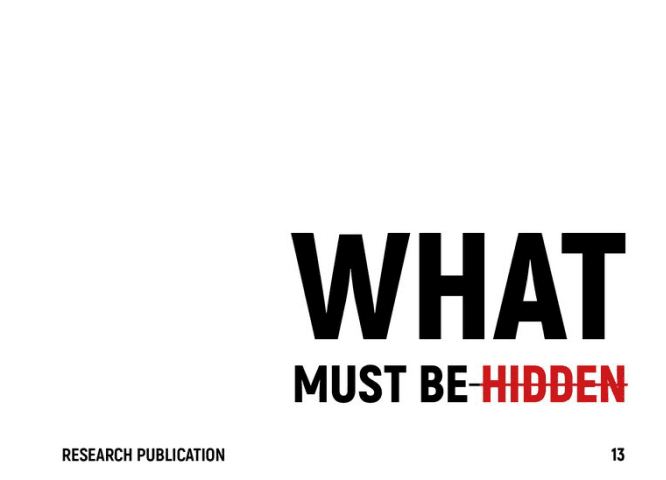
    A page left almost entirely empty. WHAT is set very large in black low on the right, with MUST BE beneath it and HIDDEN struck through in red. The running foot reads RESEARCH PUBLICATION at the left and 13 at the right.
  4. Image interruption

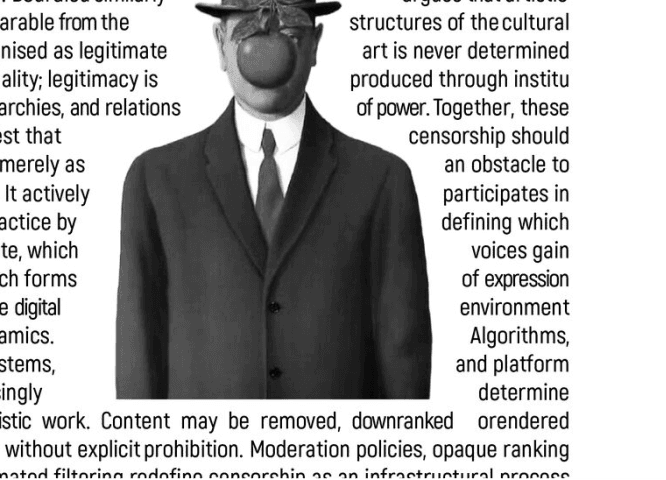
    A black-and-white cutout of Magritte’s bowler-hatted man in a suit, an apple where his face should be, standing inside the text block. The justified lines re-flow down both sides of him, ragging against his shoulders, and close back to full measure beneath his feet.
  5. Red field dividers

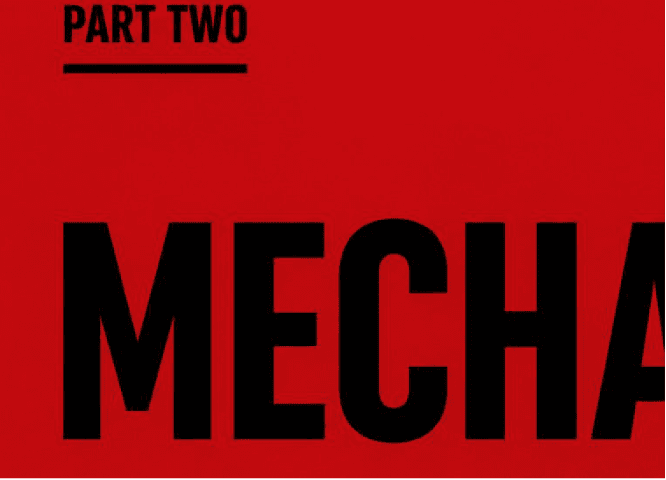
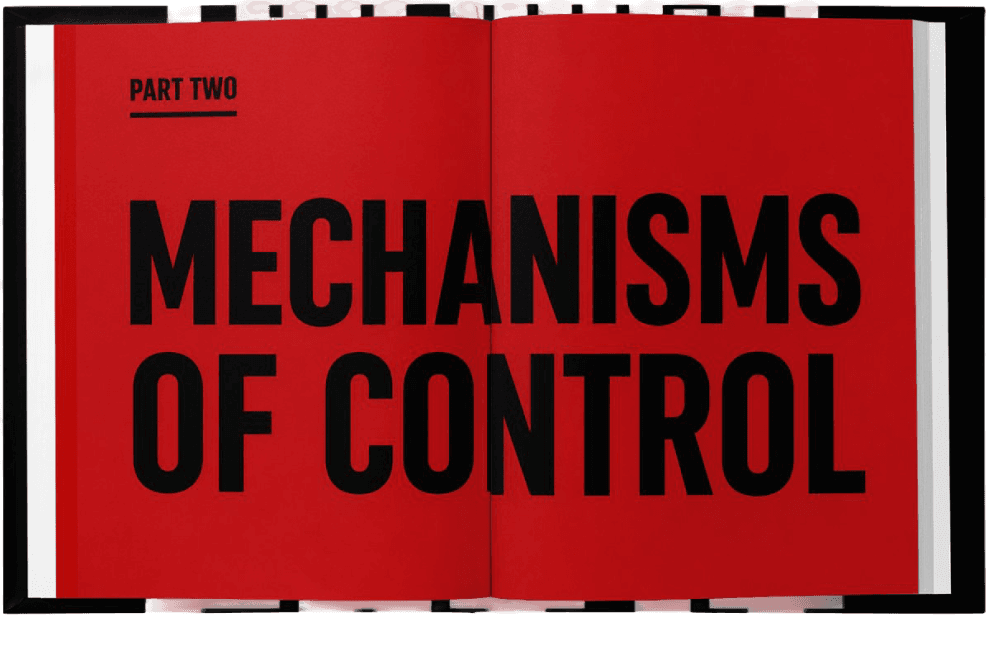
    A part divider printed solid signal red. PART TWO is set small in black capitals at the top left above a heavy black rule, and MECHA, the opening of MECHANISMS, runs beneath in enormous black display capitals cropped by the edge of the page.

Spread templates

  1. Chapter opener

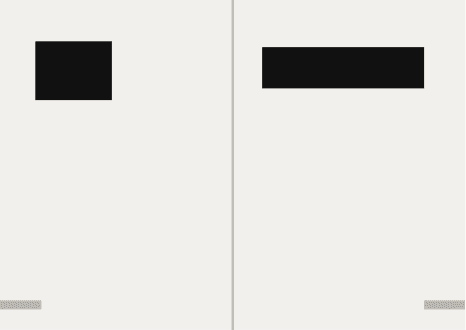
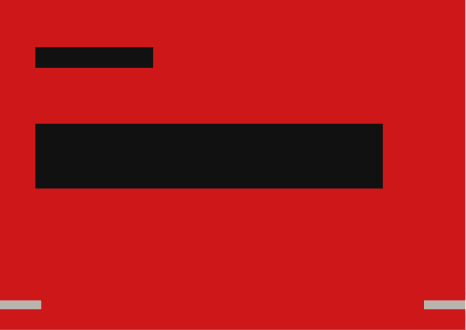
    Schematic of a spread: cream ground, a hairline for the gutter, folio marks at the two outer corners. A small black block sits at the top left of the verso and a wider black bar runs across the head of the recto. Everything below them is empty.
  2. Hero statement

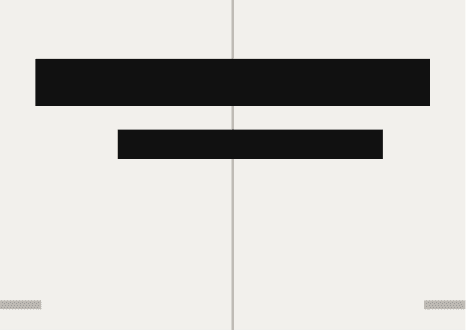
    Schematic of a spread with two black bars and nothing else: a very wide one across the head, crossing the gutter and running almost the full width of both pages, and a shorter one beneath it, also crossing the gutter. The lower two-thirds of the spread is bare.
  3. Essay

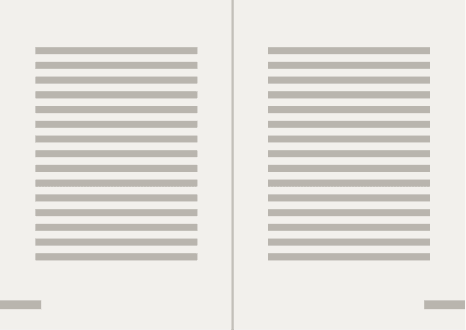
    Schematic of a text spread: both pages carry a single column of grey rules standing for body lines, at full measure, running from the head margin to the foot. No images, no headings.
  4. Essay with image

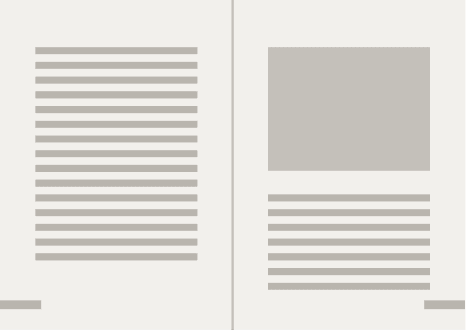
    Schematic of a text spread with a picture: the verso is a full column of grey body rules top to bottom, while the recto sets a grey image block across the upper half and resumes the body rules beneath it for the lower third.
  5. Full-bleed image

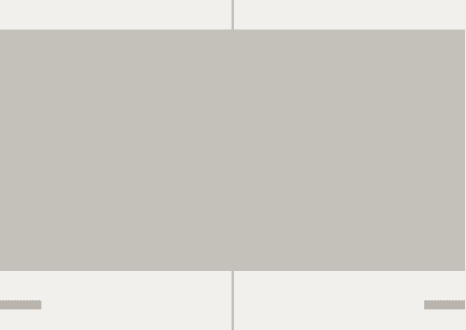
    Schematic of an image spread: one grey block spans both pages and runs off the left and right edges, crossing the gutter, with a narrow cream band at the head and another at the foot where the folio marks sit. No type on the spread.
  6. Case study

    Schematic of an asymmetric spread: the verso holds a black bar at the top left, then a long empty middle, then a short block of grey body rules low on the page; the recto is a single grey image block bleeding off the head, the foot and the outer edge.
  7. Part divider

    Schematic of a spread printed solid red across both pages. A small black bar sits at the top left and a much heavier black bar runs beneath it across most of the spread, crossing the gutter. Nothing else is on the sheet.

170 × 240 mm · 220 pages · perfect bound · Munken Polar 120 g/m² · black and signal red · English

Cover
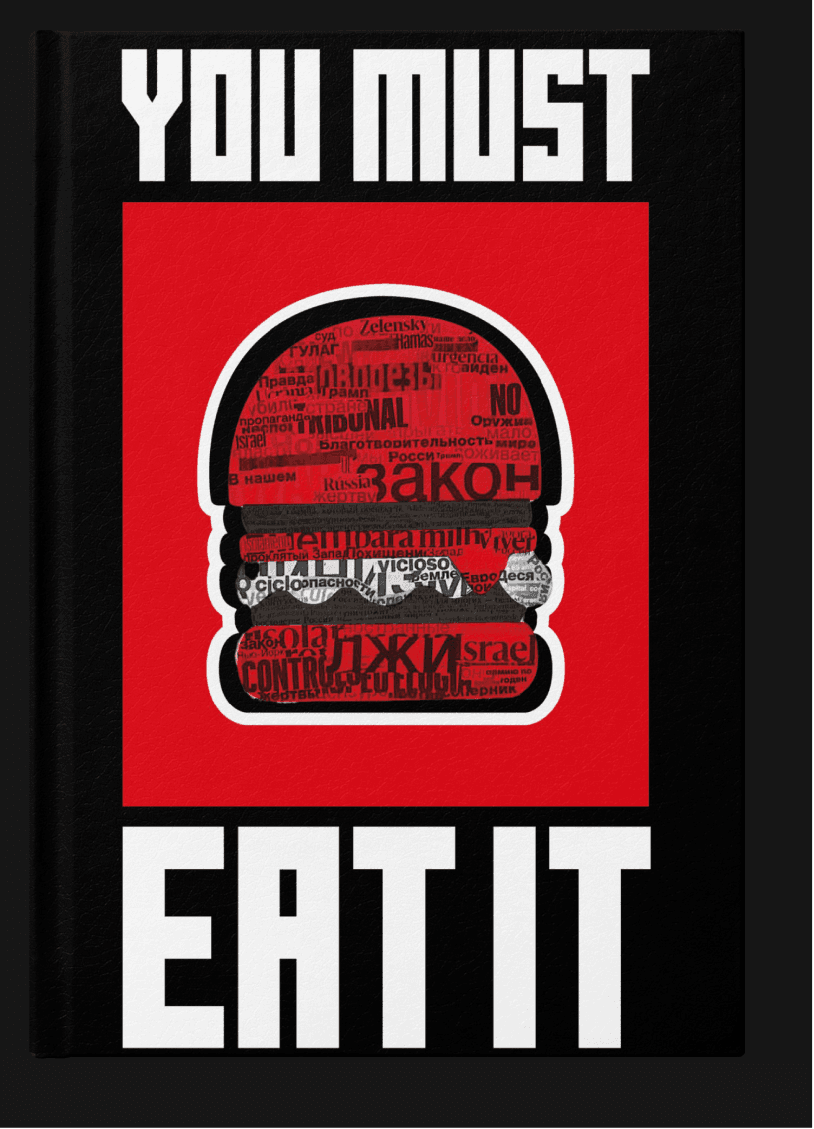
The front board of the hardback, black cloth: YOU MUST set in heavy white capitals across the top and EAT IT across the bottom, both cropped by the trim. Between them a red panel holds a hamburger built entirely from newspaper words — закон, ЛЖИ, TRIBUNAL, vicioso, Zelensky, Hamas — collaged into buns and patties and outlined in white.
FrontSilkscreen poster, black + signal red.
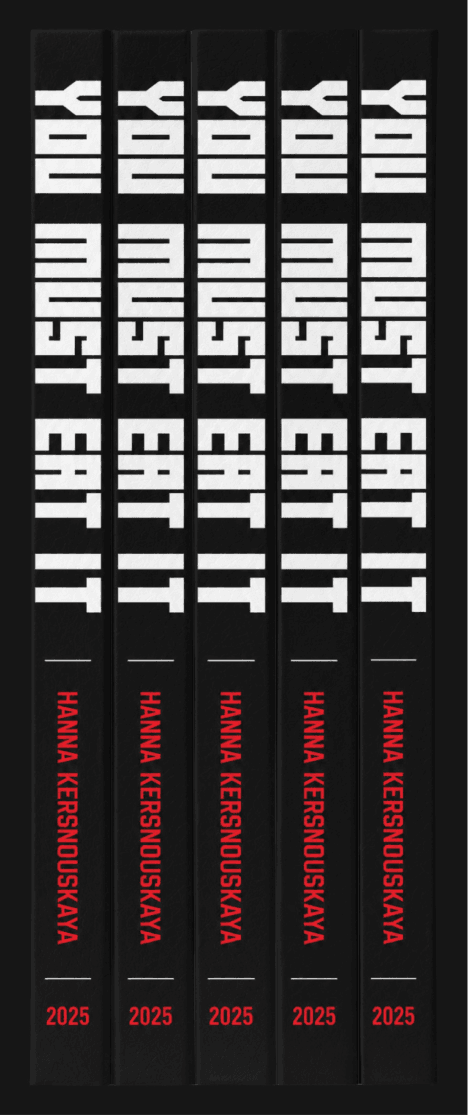
Five copies stood on end and photographed side by side, showing only the spines: YOU MUST EAT IT set vertically in white capitals filling the upper two-thirds, then a hairline rule, HANNA KERSNOUSKAYA in red, a second rule, and 2025 in red at the foot.
SpineTitle, author, year — stacked edition.
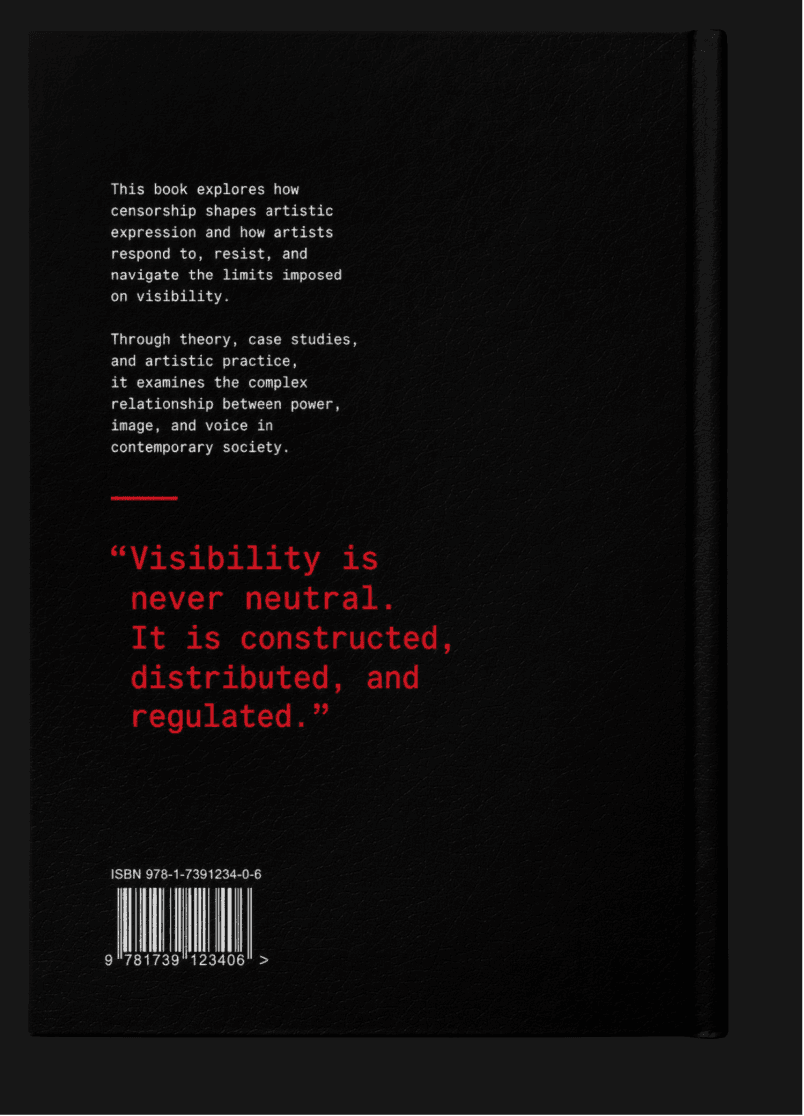
The back board, black cloth: two short paragraphs of white monospaced blurb at the top left, a red rule below them, and a pull quote in red — “Visibility is never neutral. It is constructed, distributed, and regulated.” The ISBN 978-1-7391234-0-6 and its barcode sit at the bottom left.
BackBlurb, pull quote, ISBN.

Spreads

The templates as printed, in the order the book uses them. Six rather than seven — the essay page is one treatment whether or not a picture lands inside the text.
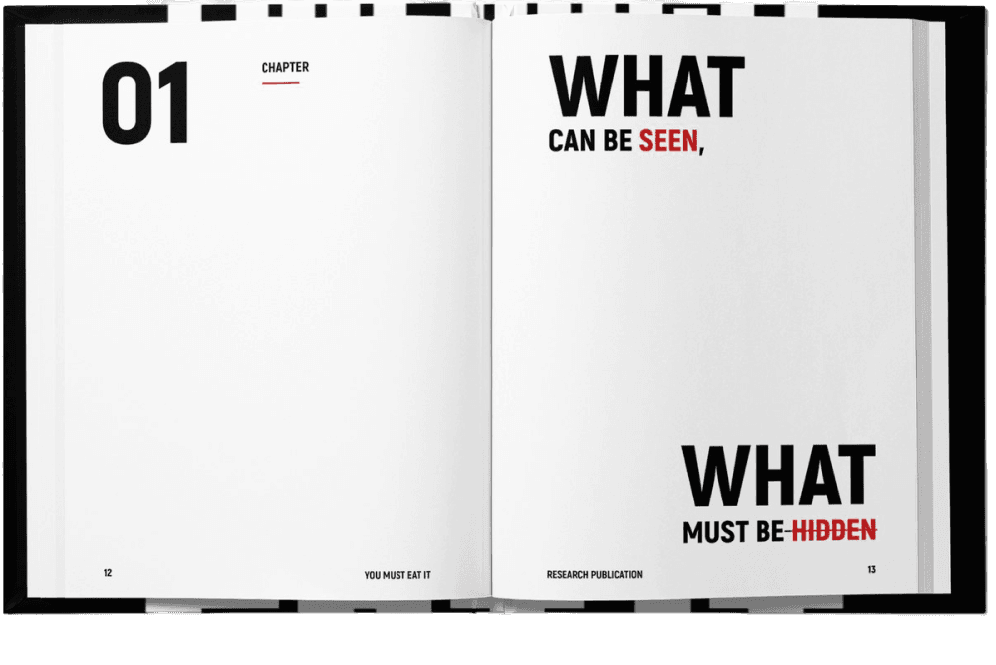
The book photographed open at the first chapter opener, pages 12 and 13, black cloth boards showing at the edges. The verso is bare but for 01 set very large in black at the top left, with CHAPTER small beside it above a short red rule. The recto carries two statements and nothing else: WHAT at the head with CAN BE SEEN, beneath it and SEEN in red, and low on the page WHAT again with MUST BE HIDDEN under it, HIDDEN struck through in red. The running feet read 12, YOU MUST EAT IT, RESEARCH PUBLICATION, 13.
Chapter opener12–13 · Hero statement across the recto.
The book open at an essay spread, pages 46 and 47. The verso opens on an enormous drop-cap V, solid at the stem and broken into printed grain through the middle, with justified text running around it; halfway down, a black-and-white cutout of Magritte’s bowler-hatted man in a suit stands inside the text block and the lines re-flow on both sides of him before closing back to full measure. The recto is unbroken justified text at full measure. The running feet read 46, YOU MUST EAT IT, THE ARTIST UNDER CONSTRAINT, 47.
Essay46–47 · Drop cap, image inside the text.
The book open at a case-study spread, pages 92 and 93. The verso sets AI in black with WEIWEI beside it in signal red, the work title Study of Perspective (Tiananmen) and 1995 on the line beneath, then a long empty middle and four short paragraphs of analysis at the foot. The recto is a full-page black-and-white photograph of a raised middle finger held up against Tiananmen Square under a flat grey sky, bleeding off the head, foot and outer edge. The running feet read 92, YOU MUST EAT IT, CASE STUDIES, 93.
Case study92–93 · Full-page image on the recto.
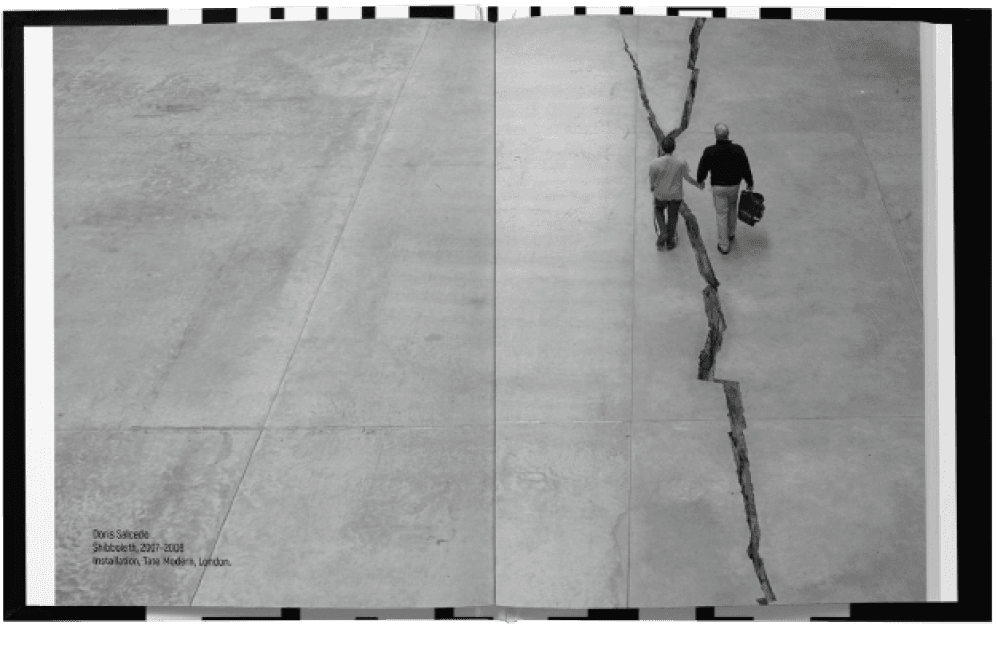
The book open at a full-bleed image spread. One aerial black-and-white photograph of Doris Salcedo’s Shibboleth — the long crack splitting the concrete floor of the Tate Modern turbine hall — runs across the gutter and off all four edges, two figures walking beside it. The credit sits small and grey in the bottom-left corner: Doris Salcedo, Shibboleth, 2007–2008, Installation, Tate Modern, London. No other type is on the spread.
Full-bleed imageImage across the gutter, caption in the corner.
The book open at a part divider printed solid signal red across both pages. PART TWO is set small in black capitals at the top left above a heavy black rule, and MECHANISMS OF CONTROL runs beneath it in enormous black display capitals over two lines, crossing the gutter and cropped by the outer edge. Nothing else is on the spread — no folios, no running feet.
Part dividerRed field, black display type.
The book open at a display spread, pages 142 and 143. ERASURE is set in enormous black capitals across both pages: solid through ERAS, breaking into printed grain at the U, and scattered to bare paper before the final E. Three short notes sit small and stepped down the verso beneath it, two of them marked with red rules — the first reads “Censorship operates as an instrument of silencing, erasure, and intimidation.” The recto is otherwise empty. The running feet read 142, YOU MUST EAT IT, BEYOND SUPPRESSION, 143.
Display spread142–143 · Type crosses the gutter and dissolves.

Grid anatomy

Grid recto

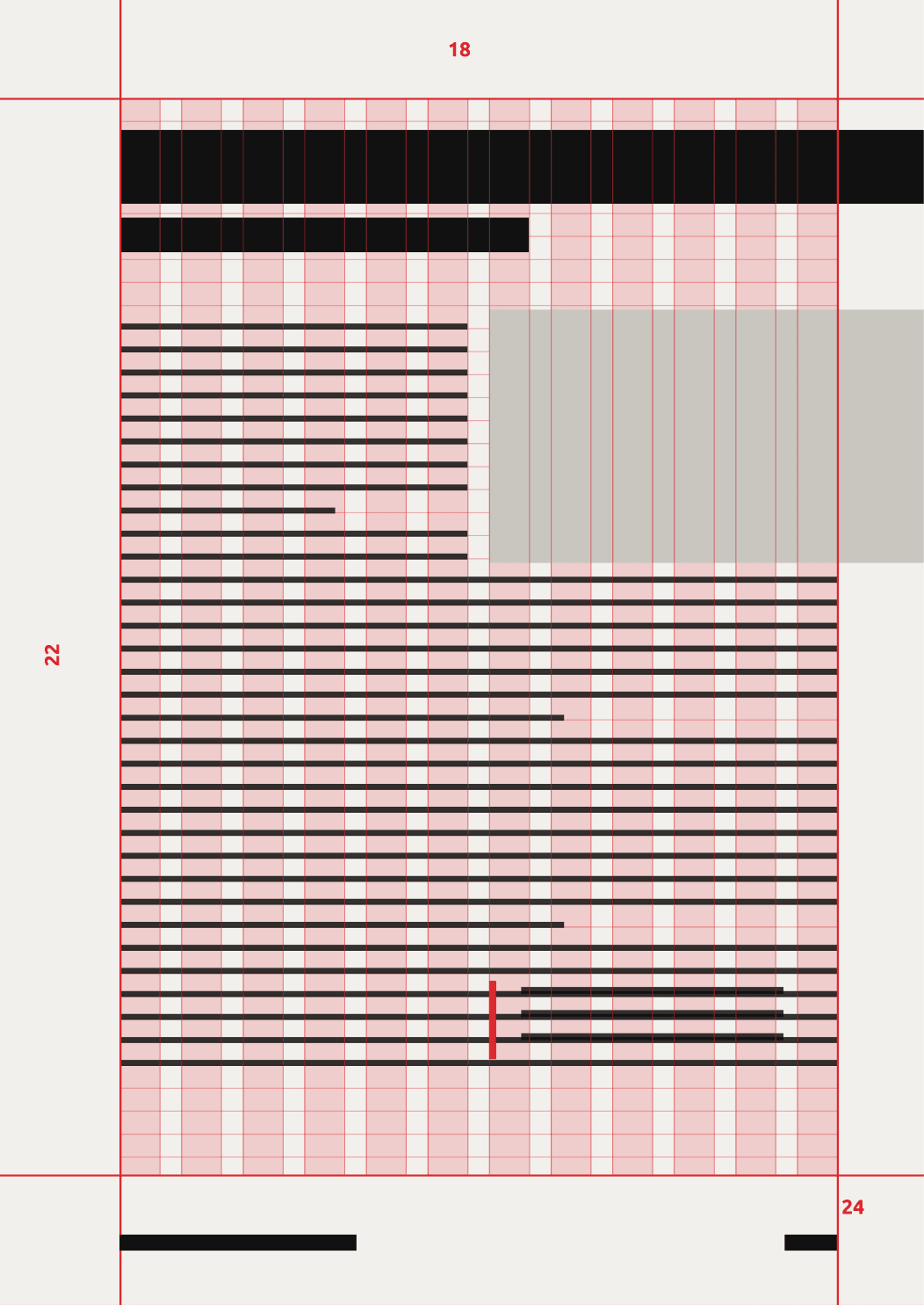
A single recto drawn as a diagram: the twelve columns tinted pink across the page, red lines ruled around the type area, and the margins labelled in red — 18 above the head, 22 down the inside edge, 24 at the foot. Inside the grid a solid black bar runs across the head and off the outer edge with a shorter bar under it; below them a grey image block bleeds off the outer edge while black rules standing for body lines set beside it and close back to full measure underneath. Near the foot three lines are indented beside a short red vertical rule. Two short black bars sit below the type area, at the outer and inner corners, for the running foot.
Recto170 × 240 mm · the page as it is set up.
  • 12 columns7.3 mm wide, 4 mm gutter
  • Type area132 × 198 mm
  • MarginsHead 18, outside 16, inside 22, foot 24 mm
  • Baseline grid12 pt, and every line sits on it

Page architecture
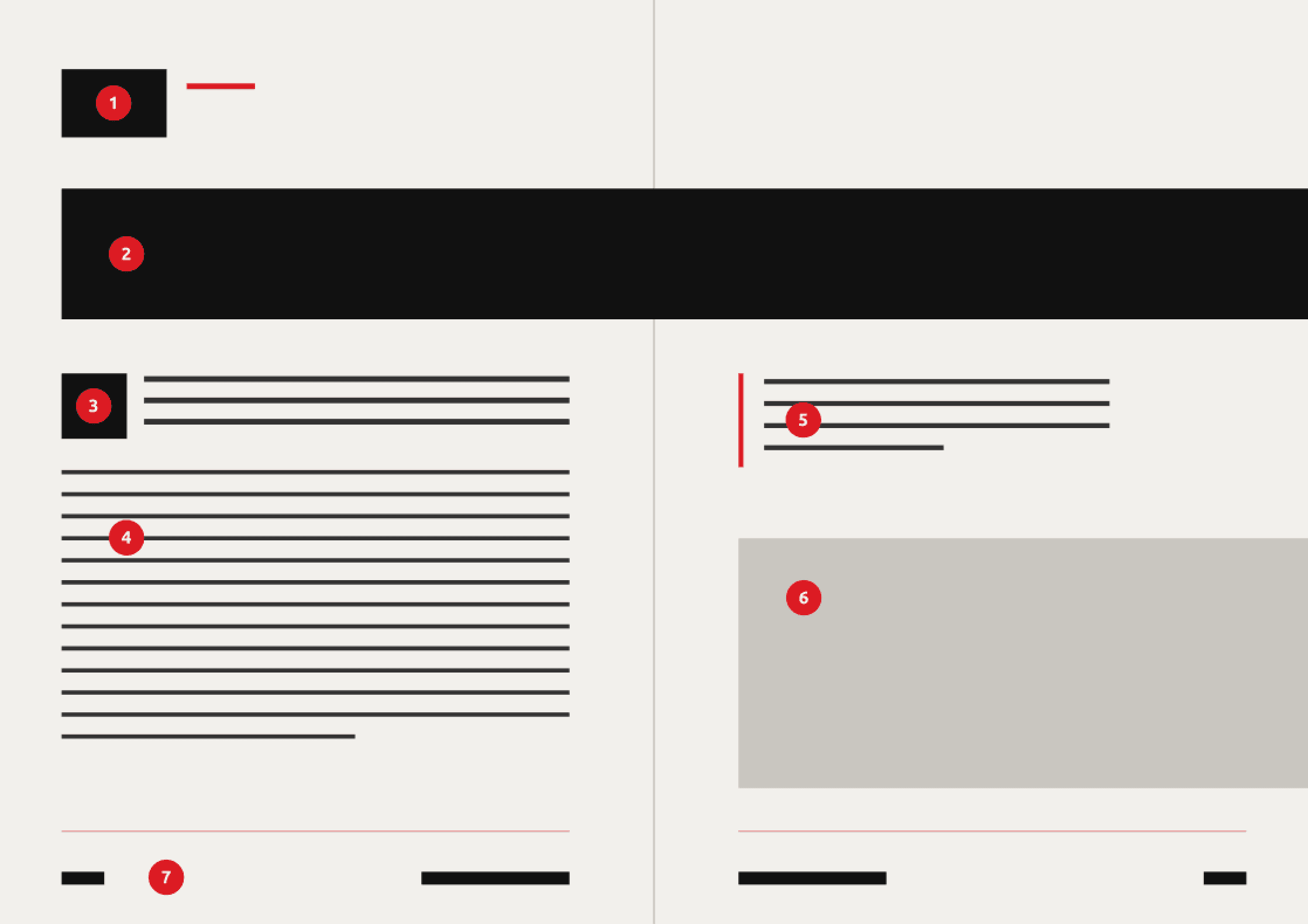
A spread drawn as a diagram, verso and recto, with seven elements ringed and numbered in red. A small black block sits at the top left of the verso beside a short red rule; a heavy black bar runs across both pages under it, crossing the gutter and bleeding off the outer edge. On the verso a black square opens four lines of text, then a full column of rules standing for justified body lines runs to the foot. On the recto four indented lines sit beside a red vertical rule, and below them a grey image block bleeds off the outer edge. A hairline rule crosses the foot of each page, and under it two short black bars mark the running foot.
SpreadVerso and recto, mirrored.
  1. Chapter markNumber and label, red rule
  2. Display headlineCrosses the gutter, bleeds off
  3. LeadDrop cap opens the chapter
  4. Body textJustified, at full measure
  5. Pull quoteIndented, red vertical rule
  6. ImageBleeds to the outer edge
  7. Running footVerso folio and title, recto section and folio